

50 Other Ways to Say “Just To Clarify”
When communicating at work, in emails, or in everyday conversations, “just to clarify” is a useful phrase for checking information,
50 Other Ways to Say “Just To Clarify” Read More »

When communicating at work, in emails, or in everyday conversations, “just to clarify” is a useful phrase for checking information,
50 Other Ways to Say “Just To Clarify” Read More »
Introduction: How Word Choice Improves Communication and Writing Language is much more than a collection of words. The phrases we
Not a Problem vs No Problem: Meaning, Differences Read More »

Introduction: Why Figurative Language Improves Writing and Communication Strong communication is about choosing the right words for the right situation.
Deactivate or Inactivate: Meaning, Differences, Usage Read More »

Introduction: How Figurative Language Strengthens Communication Strong communication depends on choosing the right words. Whether you are writing emails, essays,
Please Advise or Please Advice: Understanding the Correct Read More »

Strong communication depends on choosing the right words. Whether you’re writing essays, creating stories, preparing academic papers, or improving everyday
Collaborate vs Corroborate Read More »

Introduction: How Figurative Language and Precise Expressions Improve Communication Strong communication is more than choosing correct grammar. It involves selecting
From My End or From My Side: Meaning, Usage Read More »

Introduction: Why Figurative Language and Precise Word Choice Matter Strong writing depends on choosing the right words. Whether you’re writing
Into or Onto: Understanding the Difference, Usage, Examples Read More »

Figurative language plays a powerful role in improving writing and communication. It helps writers create vivid imagery, express ideas creatively,
Role Call or Roll Call: Understanding the Difference, Meaning Read More »
Introduction: Why Figurative Language and Precise Word Choice Matter Strong communication depends on choosing the right words. Whether you’re writing
Differential vs Deferential: Understanding the Difference, Usage, Read More »
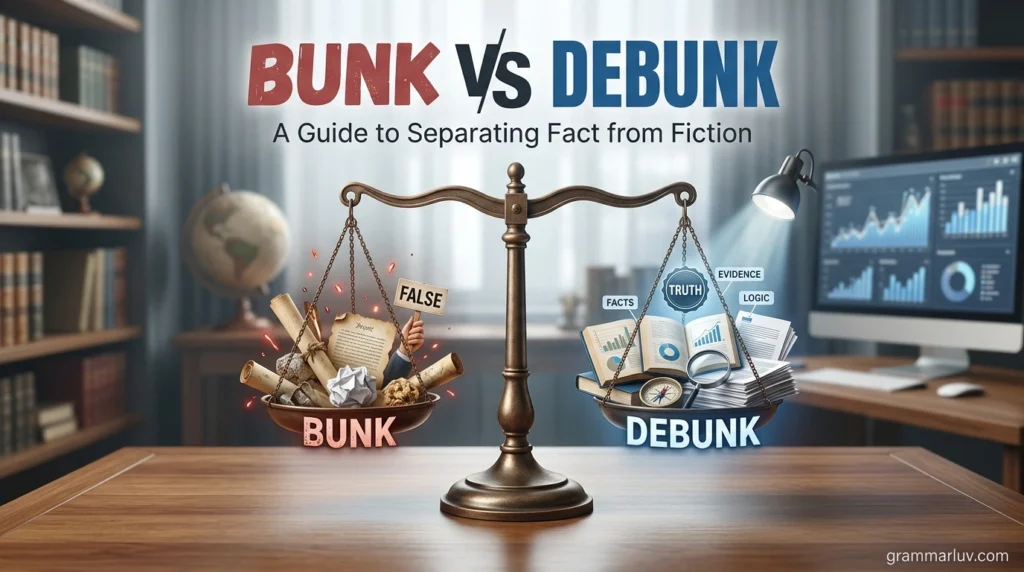
Introduction: Why Figurative Language Improves Writing and Communication Strong communication depends on choosing the right words at the right time.
Bunk vs Debunk: Understanding the Difference, Usage, Examples, Read More »
Language becomes more powerful when writers understand the subtle differences between commonly confused words. Whether you’re crafting essays, stories, poems,
Ladder vs Latter: Understanding the Difference, Meaning, Usage, and Common Mistakes Read More »

Figurative language makes writing more vivid, engaging, and memorable. Whether you’re crafting a story, composing poetry, writing essays, or improving
Breath vs Breathe: Understanding the Difference for Better Writing and Communication Read More »

English writing becomes more powerful when it is clear, accurate, and expressive. Whether you’re using figurative language, crafting creative writing,
It’s vs Its: A Complete Guide for Students, Writers, and English Learners Read More »
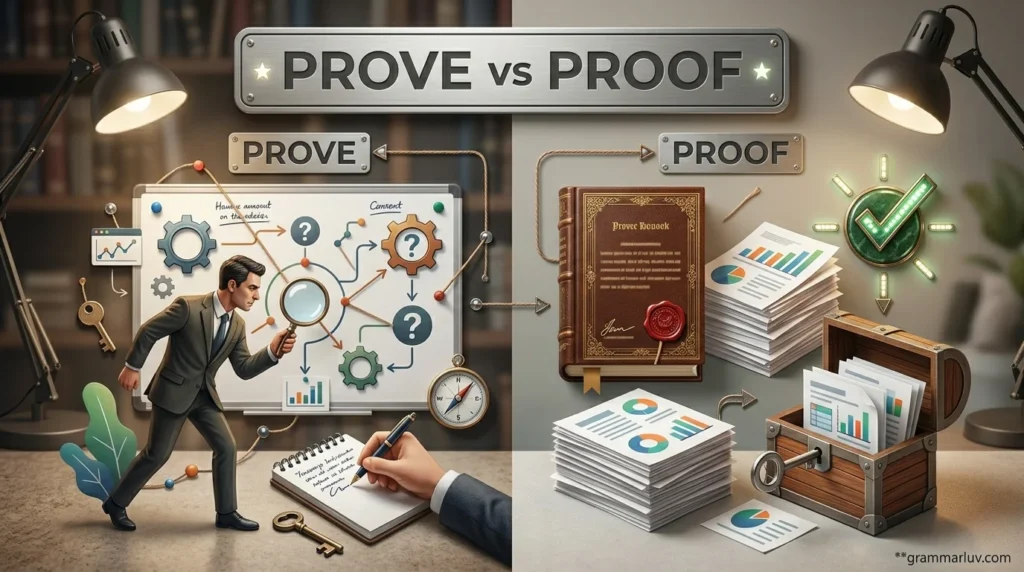
Introduction: Why Strong Language Choices Improve Writing Good writing is more than correct grammar and spelling. It is about choosing
Prove vs Proof: Understanding the Difference, Usage, Examples, and Common Mistakes Read More »

Writing is more than putting words together. Effective communication depends on choosing the right expressions, understanding tone, and using language
If So vs If Yes: Understanding the Difference for Clear and Natural English Read More »